
|
Getting your Trinity Audio player ready...
|
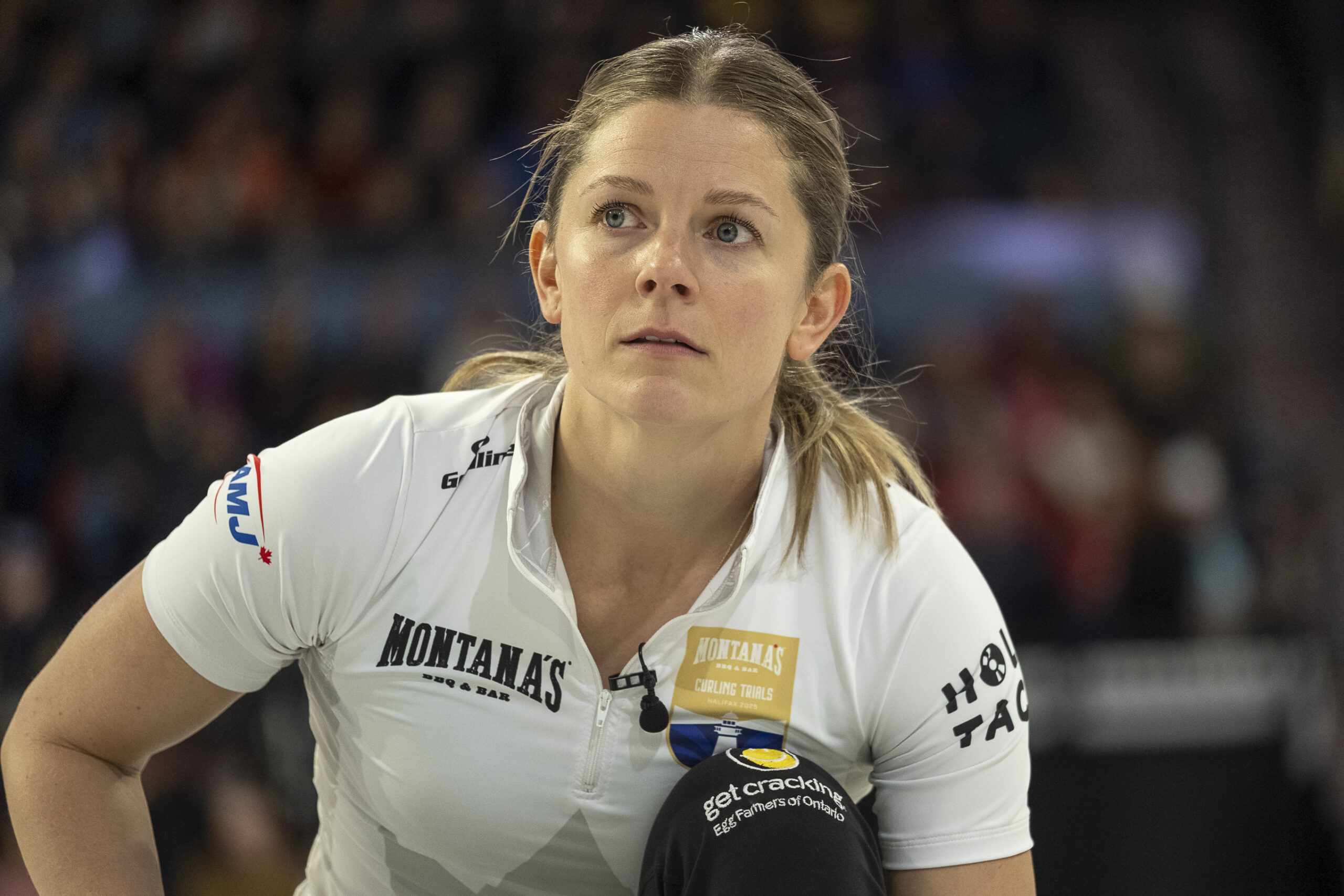
Londoner Sarah Wilkes, a registered psychotherapist, is heading to her first Olympic Games in Italy this winter, representing Canada in women’s curling.
What if she loses? That’s not the kind of question you usually ask an athlete, especially one making her Olympic debut. But there may be no member of Team Canada at the Games more capable of dealing with that question than Sarah Wilkes.
To fully understand what this moment means to her, however, you need to go back to when pressure was something she didn’t yet know how to manage.
* * *
Wilkes has been part of the Canadian curling landscape for nearly two decades.
The Scarborough native first took to the international ice at the World University Games and Winter Universiade while attending Wilfrid Laurier University.
In 2019, she made her first world championship appearance and helped Team Chelsea Carey win the Scotties that same year. Since, she has played multiple roles – second, third, and now lead – gaining experience across positions and adapting to whatever her teams needed.

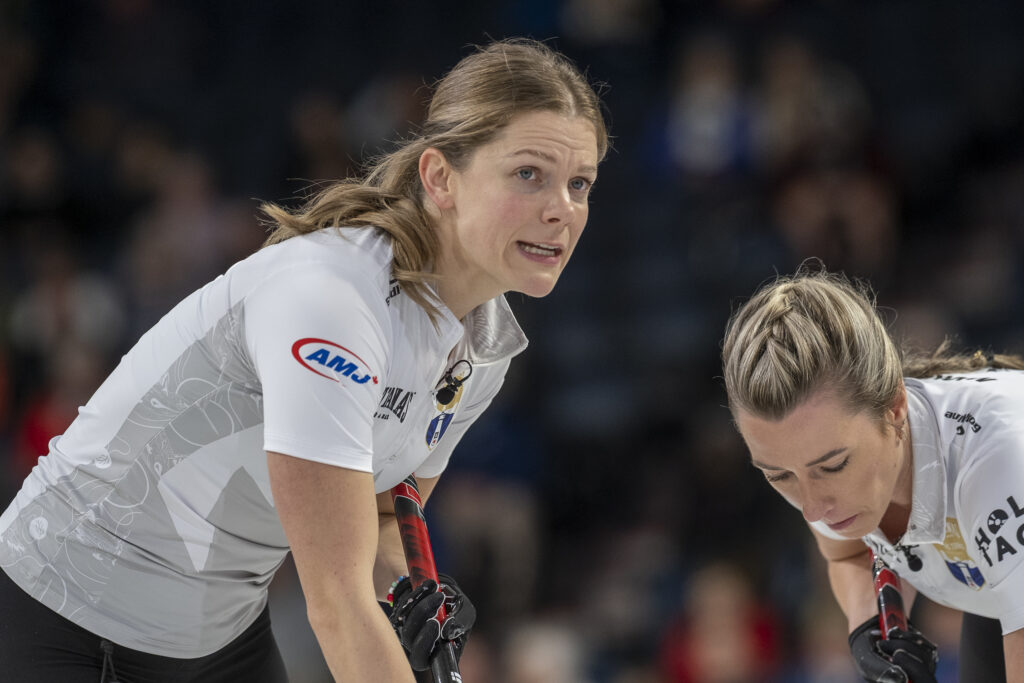
In 2020-21, she joined Rachel Homan and Emma Miskew. When Joanne Courtney stepped back and Tracy Fleury joined the lineup, Wilkes moved to lead, and the team settled into a long run of success.
Over the past two seasons, Team Homan has won two national titles and two world championships, becoming the first Canadian women’s team to repeat as world champions since the 1990s. They lost only 15 games during that span.
For Wilkes, 35, who practices in London at the Highland Community Curling Club, the only major milestone missing from her resume was the Olympics.
That changed in November, when Team Homan won the Canadian Trials in Halifax to secure Canada’s spot at the 2026 Games in Milan-Cortina.
* * *
Before we head to Italy, let’s rewind 20 years or so when Wilkes was starting her career as a competitive athlete.
Regulating her emotions was never easy for her. Losing was difficult – really, really difficult – and it remained difficult for quite a while. Actually, if she’s being honest, losing still sucks today. The only difference? She has actual effective strategies to combat those feelings now.
As she rose in her curling career, Wilkes was also building professional skills in completing a master’s degree in Counseling Psychology. It was never her intention to work with athletes, but as she studied, learned, and worked with clients, she came to a realization.
This stuff works.
“I cannot help but to think how fantastic it would have been to have had access to something like this when I was a young athlete, someone doing the work I am doing today. Imagine someone there to help me figure out how to regulate my emotions, how to deal with losing in a different way. It would have been huge.”
Today, Wilkes works as a Registered Psychotherapist, focusing on athletes, teens, young adults, and people who operate in high-pressure environments. Much of her practice deals with familiar themes for competitors: managing anxiety, building confidence, handling setbacks, and understanding how identity and performance intersect.
She uses a range of approaches, from CBT and ACT to EMDR and narrative work, but the common thread is practicality. She helps clients recognize what pressure does to them, how their thoughts show up under stress, and how to respond in ways that keep them moving forward. Visualization, performance scripts, and simple grounding techniques are regular parts of her toolkit, especially with athletes facing competitions, transitions, or recovery after injury.
“I got to where I am professionally because of my experiences as a young athlete. Definitely during graduate school, I reflected a lot on my athletic life to that point. That helped me grow and learn,” she said.
In herself and others, Wilkes has seen how mindset can affect execution and how difficult it can be to separate performance from self-worth. That perspective gives her a clear understanding of what many athletes struggle with, and it gives her language to talk about it without judgment or cliché.
“People always joke, ‘Are you your team’s therapist, too?’ I’m not. But it’s hard to take that hat off. It’s always on your mind, facilitating conversations with people. It becomes part of, at least for me, who I am, a part of my everyday life.”
Her clinical work also feeds back into her life on the ice. She approaches competition the same way she encourages clients to: Manage what’s in front of you. Keep track of your reactions. Don’t get attached to the story running in your head.
It’s a steadying influence in a sport where momentum can shift quickly and pressure builds in small increments.
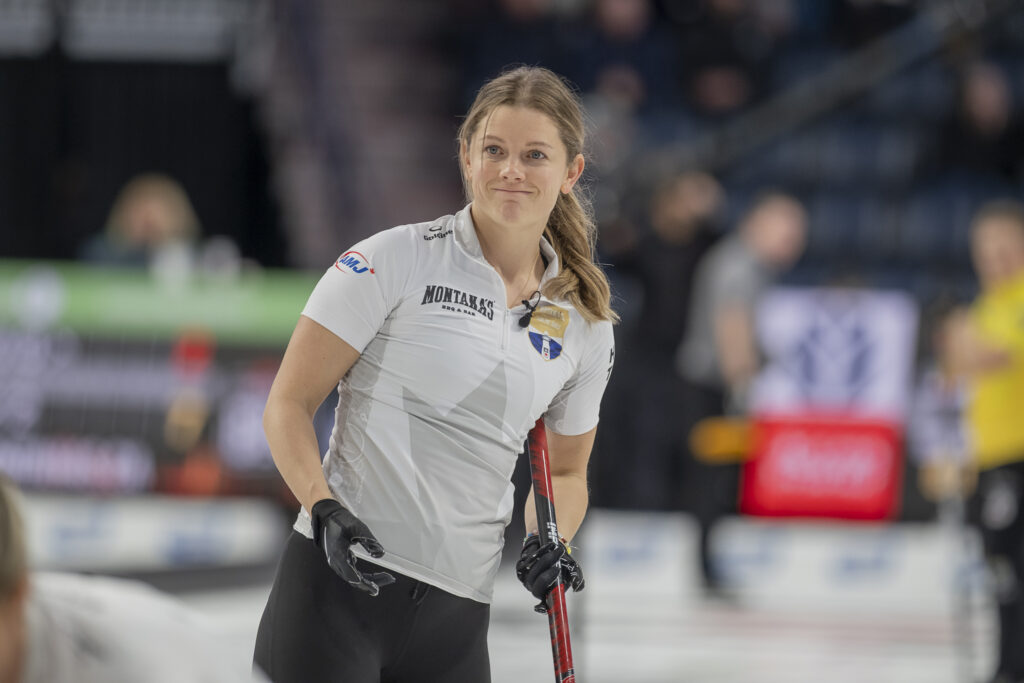
“My work has helped me grow as an athlete just as my athletics has helped me grow in my work,” she said. “I’ve engraved in my mind all of these different strategies that I not only talk to clients about, but I’ve also implemented for myself. I also work with my own therapist. As a therapist, you still need a therapist, right? She’s certainly helped me come up with strategies that help me perform and help me manage the highs and lows both in and out of competition.”
* * *
Let’s be clear, this isn’t an underdog story.
The Canadian women are favourites for gold. Big favourites. Homan is making her third straight Olympic appearance. Miskew is back for a second time. Wilkes, and fellow Olympic rookie Fleury, have plenty of experience outside the five rings.
Yet, they all know the only thing the label “favourite” earns you is a huge target on your backs.
“Although statistically, the odds might say we are the favourites, we know going into every game, every team we play is going to be performing at a very high level. Anything can happen at any time. It’s such a short round robin, and all of the other teams are so good, too,” Wilkes said.
“For us, success will be about putting blinders on to the outside world. Although we are ranked number one in the world, that doesn’t mean it’s going to be a cake walk.”
The team is not sitting idle in the days leading up to The Games with a series of tourneys on the schedule, including some against foes they may see again in Italy.
“We know these teams. We play against them every weekend, all season. We know what to expect, and we know we’re going to need to perform at our best every single game. With that, there’s only so much we can do. We need to trust in our preparation; we will be prepared to peak again in February.”
* * *
Life comes at you fast.
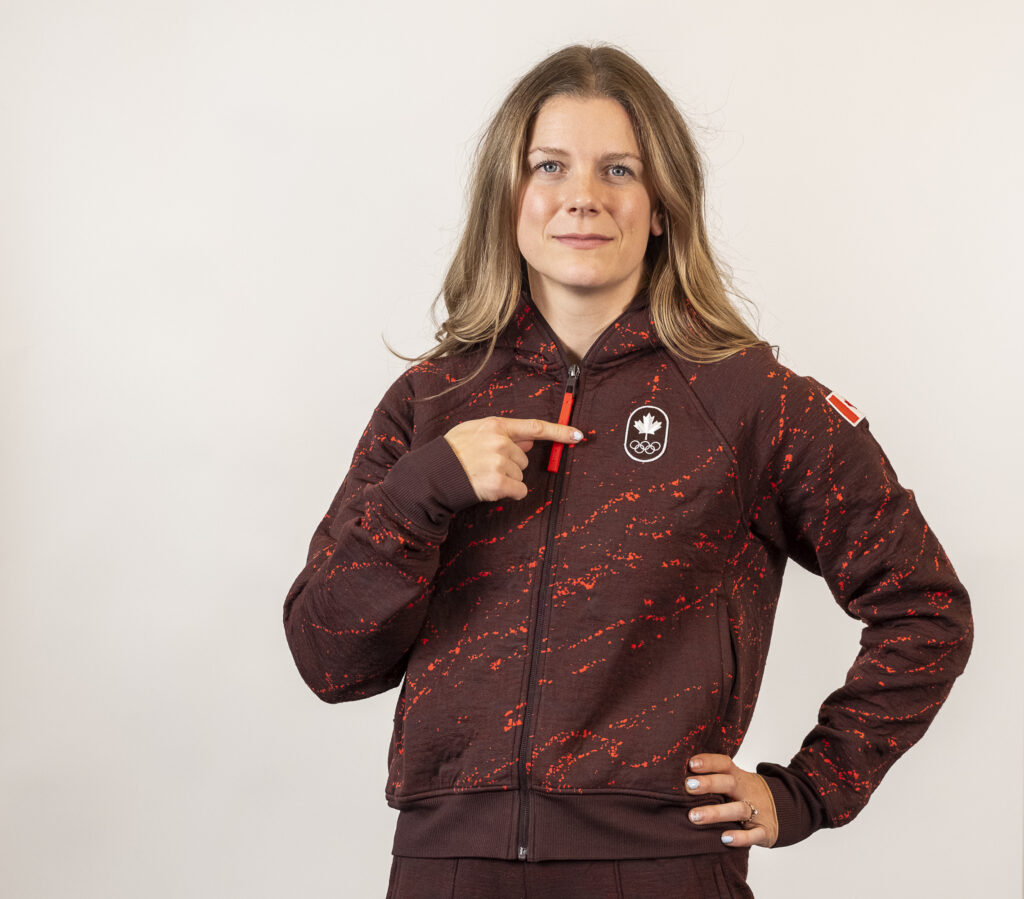
Despite the pressure, Wilkes see this as an experience to be enjoyed with her family and friends, fellow players in the Forest City, and especially for herself.
“It’s so important to take a moment to enjoy the accomplishment and all the hard work that we put into getting here,” she said. “But it’s hard. We’re very much in preparation mode. I have found time to enjoy it and savour it, but then very quickly, I look to switch back to preparation and training mode.”
When she isn’t competing or working with clients, Wilkes keeps a fairly simple routine: time with family and her dogs. She admits it can be tempting to let the mind drift, daydream, think of the possibility of gold being hung around her neck.
But you can’t get too caught up in all of that. Not now.
“You can’t get caught up in how you’ll perform and what the results will look like. Of course it would be nice to win, but those thoughts can hinder your performance and mindset going into the Games. It can lead you to becoming too tight when things start to go wrong – and things will go wrong, because that’s sports. Then it’s easy to spiral when performance is the first thing on your mind.”
She continued, “It’s important to go back to trusting your preparation and your process and each other. I know that when we get there, we’ll be ready to perform at our best.”

The Olympic experience will continue to resonate for Wilkes, as the lessons from participating as an athlete at the highest level in the world will inform the professional who returns home.
“You don’t know what the experience is like until you experience it. I am going to try and soak it all in when I am there. I am going to learn what I can as an athlete and just try to stay in the moment, not think too far ahead. I just want to enjoy it because you don’t know if you’ll ever be able to experience it again,” Wilkes said.
The Olympic curling schedule starts with mixed doubles play on Feb. 4, two days before the opening ceremony. Men’s team play begins Feb. 11, a day before the start of the women’s team schedule on Feb. 12.

4 Responses
So proud of u Sarah Enjoy every minute I talked to Brenda. Lots of fans & family John ,Rick,Kim & I will be cheering loud for Team Homan ❤️👍
She,s an amazing athlete,smart & very pretty!
Best of luck to you and TEAM HOMAN! We know you will make us all proud.
Team Homan is the # 1 ranked team in the world due to all their very hard work. Deserves to be in the Olympics and I know they will do their best for the gold. But enjoy the moment and best of luck.